Table of Contents
- How To Build A Calendar In Python Using Tkinter Build - vrogue.co
- Python Make GUI Calendar in Pyside2 - Codeloop
- PySimpleGUI Tips - Calendar Button Math Demo with Base64 Images - YouTube
- Python, Qt Designer and PySide2 (or PyQt5) QPropertyAnimation Widgets ...
- How to Create a GUI Calendar in Python - TipsMake.com
- How to Create GUI Calendar using Python | Python Tkinter GUI Project ...
- Python GUI Project Tutorial Part 03: Converting UI File to Python ...
- Python GUI Creating Slider in Pyside2 - YouTube
- Calendar GUI using Python
- Python GUI Working With GridLayout Of Pyside2 Qt For Python - YouTube
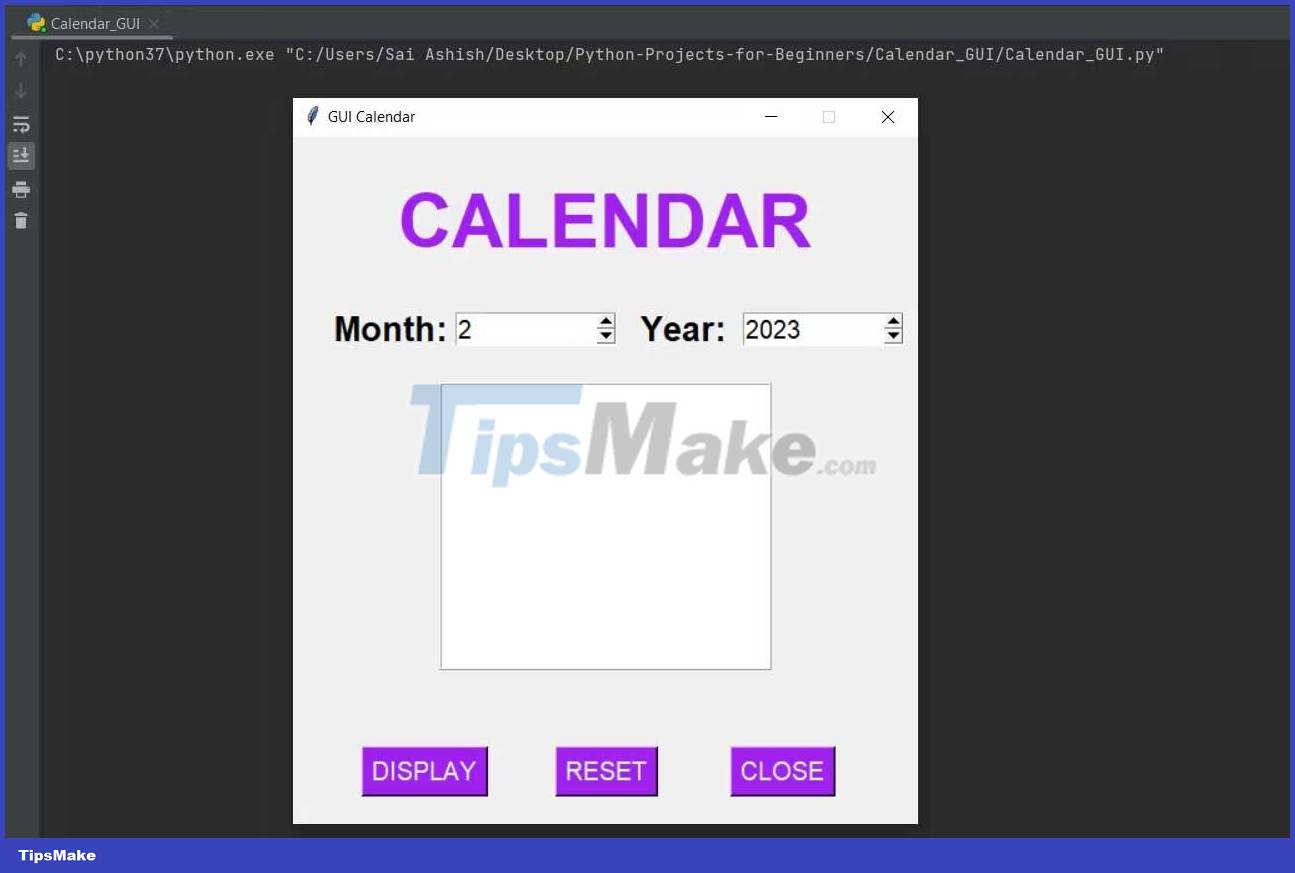
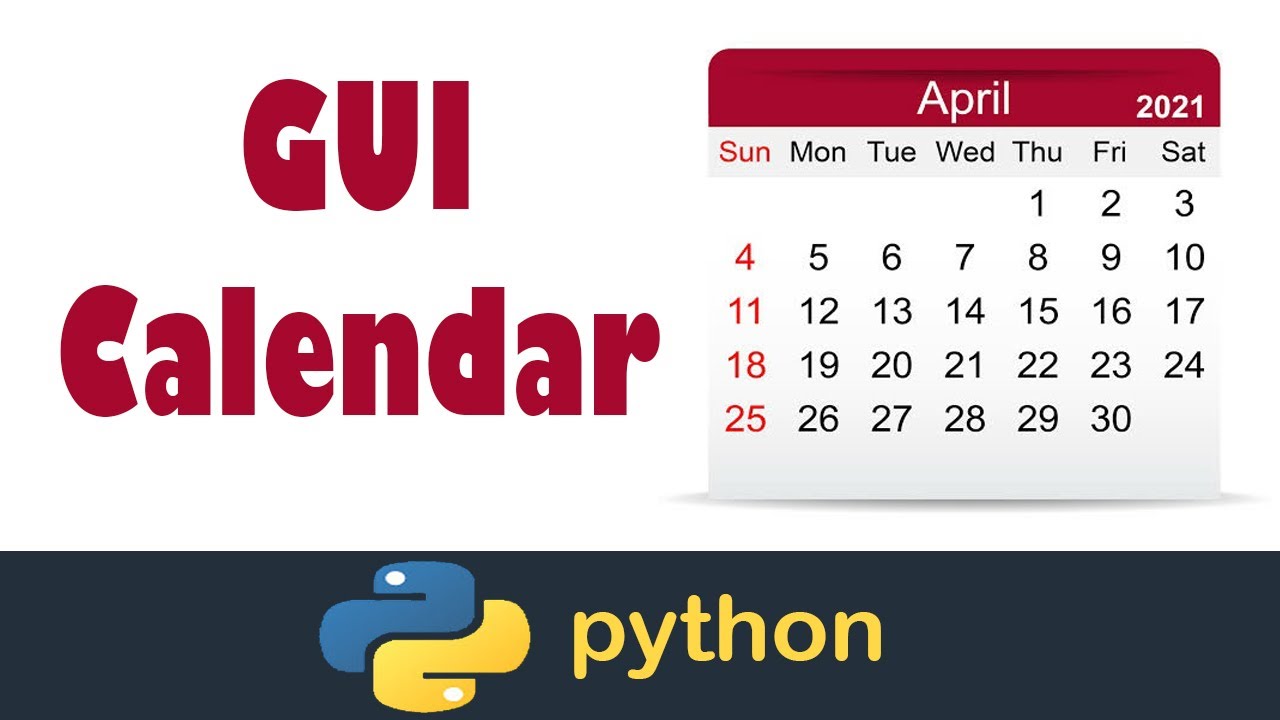
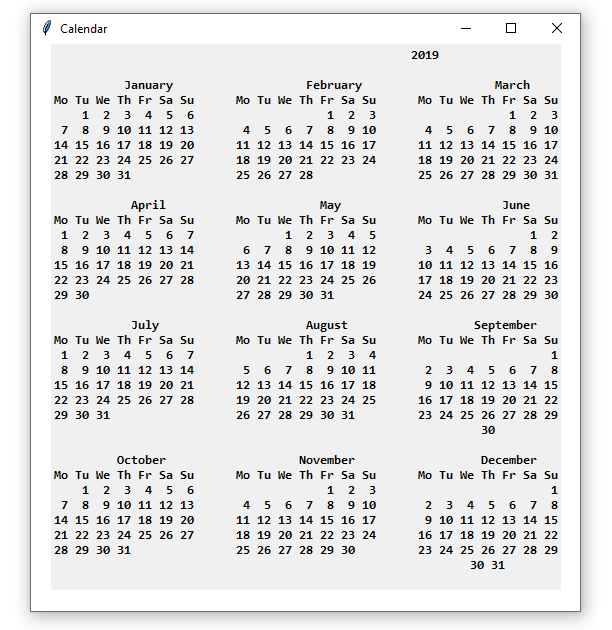
Are you looking to create a graphical user interface (GUI) calendar using Python? Look no further! In this article, we'll explore how to make a GUI calendar with PySide2, a popular Python binding for the Qt framework. We'll also provide a link to a YouTube tutorial that demonstrates the process.
Introduction to PySide2
PySide2 is a Python binding for the Qt framework, which is a comprehensive C++ application development framework. PySide2 allows developers to create GUI applications using Python, making it an ideal choice for building desktop applications. With PySide2, you can create complex GUI applications with ease, including calendars.

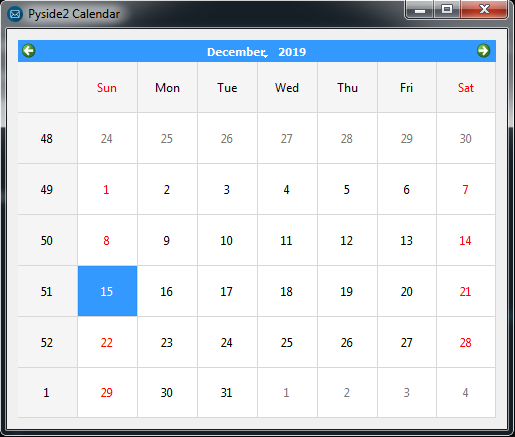
Creating a GUI Calendar with PySide2

To create a GUI calendar with PySide2, you'll need to have Python and PySide2 installed on your system. You can install PySide2 using pip, the Python package manager. Once you have PySide2 installed, you can start creating your GUI calendar.
The first step is to import the necessary modules, including PySide2's QtGui and QtCore modules. You'll also need to create a QApplication object, which is the main entry point for any Qt-based application.
Next, you'll need to create a QWidget object, which will serve as the container for your calendar. You can then create a QCalendarWidget object, which is a pre-built widget in Qt that displays a calendar.
To customize the appearance of your calendar, you can use Qt's stylesheet syntax. For example, you can change the background color, text color, and font of your calendar.

Example Code
Here's an example code snippet that demonstrates how to create a GUI calendar with PySide2:
import sys
from PySide2 import QtGui, QtCore
from PySide2.QtWidgets import QApplication, QWidget, QCalendarWidget

class Calendar(QWidget):
    def __init__(self):
        super().__init__()

        self.initUI()

    def initUI(self):
        self.setGeometry(300, 300, 300, 200)
        self.setWindowTitle('GUI Calendar')

        self.calendar = QCalendarWidget(self)
        self.calendar.setGeometry(10, 10, 280, 180)

        self.show()

def main():
    app = QApplication(sys.argv)
    ex = Calendar()
    sys.exit(app.exec_())

if __name__ == '__main__':
    main()
YouTube Tutorial
If you're looking for a more detailed tutorial on how to create a GUI calendar with PySide2, check out our YouTube video: Python Make GUI Calendar With PySide2 - YouTube. This video provides a step-by-step guide on how to create a GUI calendar using PySide2, including how to customize the appearance of your calendar.
Creating a GUI calendar with PySide2 is a straightforward process that requires minimal code. With PySide2's pre-built QCalendarWidget, you can create a fully functional calendar with ease. Whether you're building a desktop application or just want to create a simple calendar, PySide2 is an excellent choice. Check out our YouTube tutorial for a more detailed guide on how to create a GUI calendar with PySide2.
Note: Replace [video_id] with the actual ID of the YouTube video.